Spoiler Me. Please.

There are so many weird quirks that come with ADHD. Mind you, I was only diagnosed with ADHD a couple years ago. And while it explains so many oddities about me, some personality traits which I always attributed to being eccentric end up being pretty common for ADHDers.
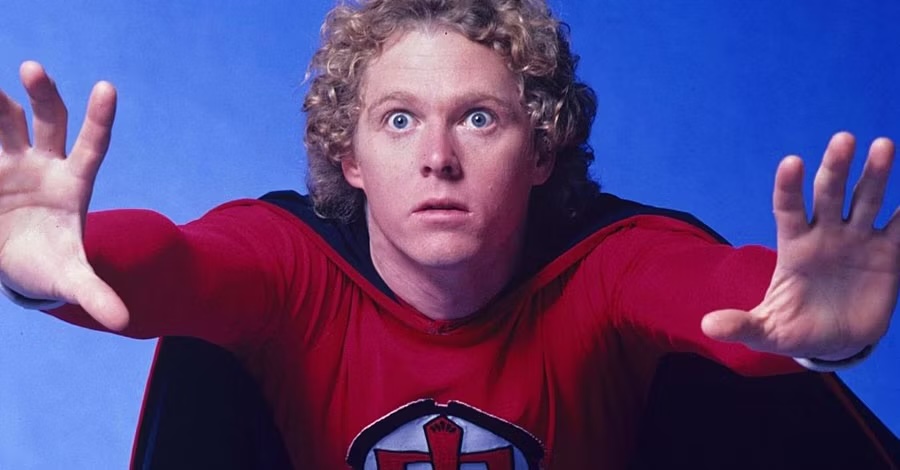
Greatest American Hero, looking terrified while flying.

That both annoys and fascinates me.

It’s annoying, because I hate that almost every aspect of why I am the way I am tends to have roots in the way my brain is wired. I mean yeah, I guess it makes sense that, “how your brain works” sorta defines you, but still, I feel like my skull meat should have come with an owner’s manual.

One strangeness I recently discovered is my propensity to prefer knowing how a movie or TV show ends before watching it. Yes, I’d rather know all the spoilers. No, it doesn’t make the watching less enjoyable. Quite the opposite in fact.

Many people can relate to at least part of the issue. If you won’t watch a movie because you know the dog dies, you sorta understand the sentiment. Even if the dog dying is central to the plot of the movie, for many folks, it’s not worth the emotional trauma. (Honestly, https://www.doesthedogdie.com is a godsend, I can’t recommend it enough)

Now imagine seemingly mundane aspects of a movie carried that same emotional trauma for you. Like if the inevitable conflict in the second act is from a spouse cheating. Or from a middle-schooler getting bullied. Or from a character experiencing heartbreak. Or from a misunderstanding causing an animated snowman to feel unwelcome. Imagine every second act of a movie was as mentally debilitating as John Wick’s puppy crawling across the floor to be near him. That’s usually what it’s like inside my head. So I want to know what happens in advance. Sometimes it means I don’t want to watch the thing at all. But often, knowing what happens somehow reduces the anxiety over the situation to the point where I can enjoy the journey.

If this doesn’t resonate with you, that’s OK. If it seems a bit immature to struggle with emotions over such trivial things, hey, I agree. But one of the wonderful, terrible things about the way ADHD brains work is they tend to have extreme emotions, and very little ability to manage them.

It really annoys me when my idiosyncrasies are just bullet points in the, “What to Expect When You’re Expecting Your Brain to Function Normally” book of ADHD. But also, it’s sometimes nice to understand why you’re that weird half-melted snowflake who can only wear certain shirts because over-sensitivity to textiles is part of your neural norm. (I wish I were kidding, but that’s another post altogether…)

Better Class of Loser

Subscribe: Apple Podcasts | Google Podcasts | Spotify

A couple days ago, I tweeted about ADHD. I do that kind of often, because I was only recently diagnosed. That doesn’t mean I recently “developed” ADHD, that’s not how it works. It means that a condition I’ve had my whole life was diagnosed after a long (and expensive) battery of tests and interviews.

There are people who think ADHD isn’t really a thing, or that it’s just laziness, addiction, technology-overload, or lack of exercise. But while some or all of those things might be intertwined with ADHD, at the very least it explains why some people are more prone to those eventualities. And while a *cause* for poor behavior and/or performance isn’t an *excuse* for it — having a frame of reference for why a person behaves the way they do is foundational to building the skills required to live a productive and fulfilling life.

No one would suggest a blind person keep getting stronger and stronger glasses, or brighter and brighter lights. That’s silly. But if someone has ADHD, it’s just as silly for them to just “buckle down and focus”, because it’s not willpower they lack, but the executive function to manage tasks in a traditional way. When I referred to myself as “kind of a loser” — it wasn’t me trash talking myself. (I do that sometimes, I know, but this wasn’t that) It was me recognizing that while an ADHD diagnosis is earth-shatteringly beneficial to how I do life, it doesn’t fix 46 years of poor coping overnight.

I’ve had a really good paying job for most of the past 10 years or so. And yet, we’re in massive, almost unsurmountable debt. Realizing that folks with ADHD are often terrible with finances for a multitude of reasons explains some of that, and gives us some insight on how we might effectively change how we do things in the future. But it doesn’t get rid of the debt. That’s sort of what I was getting at with my tweet.

I have a terrible time staying on task when it comes to work. I shine when things go sideways, which makes me very effective during disastrous situations — but I struggle horribly on a normal day. Knowing that I have ADHD helps me realize that I’m not a garbage human being, but it doesn’t automatically train me to deal with my shortcomings. That will take time, and it won’t be easy or quick. And even when I do develop tools and strategies to rely on my strengths while protecting my weaknesses, I’ll still fail. Maybe just not as often. Eventually.

So while I’ve managed to get some really great jobs, I’ve also managed to make some really terrible choices. Now I see those choices for what they were — poor choices, but also uninformed poor choices. As I learn to drive this crazy non-typical brain properly, hopefully my future choices will be a little less destructive.

It’s amazing the amount of success I’ve had in my life. And I like many aspects of who I am. But undoing 46 years of collateral damage and unlearning a lifetime of dysfunctional coping strategies is a lot. So I tend to shout at the clouds a bit, like in the tweet above.

My catch phrase is directed at myself at least as much as it’s meant for others. Learn everything, do what you love, and most importantly, be kind. That last part includes being kind to yourself.